Parker Flores · 11 September 2026
Navigating Algorithm Shifts Through Strategic Anchor Distribution in Emerging Brand Niches
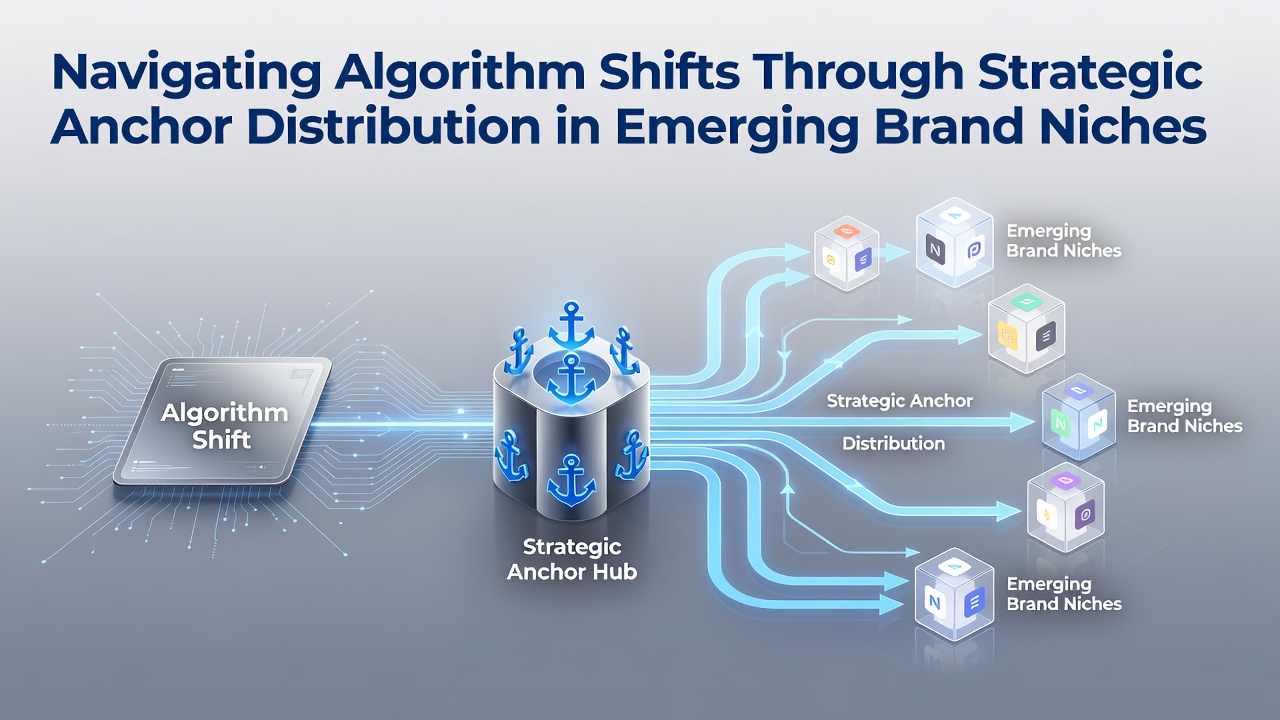
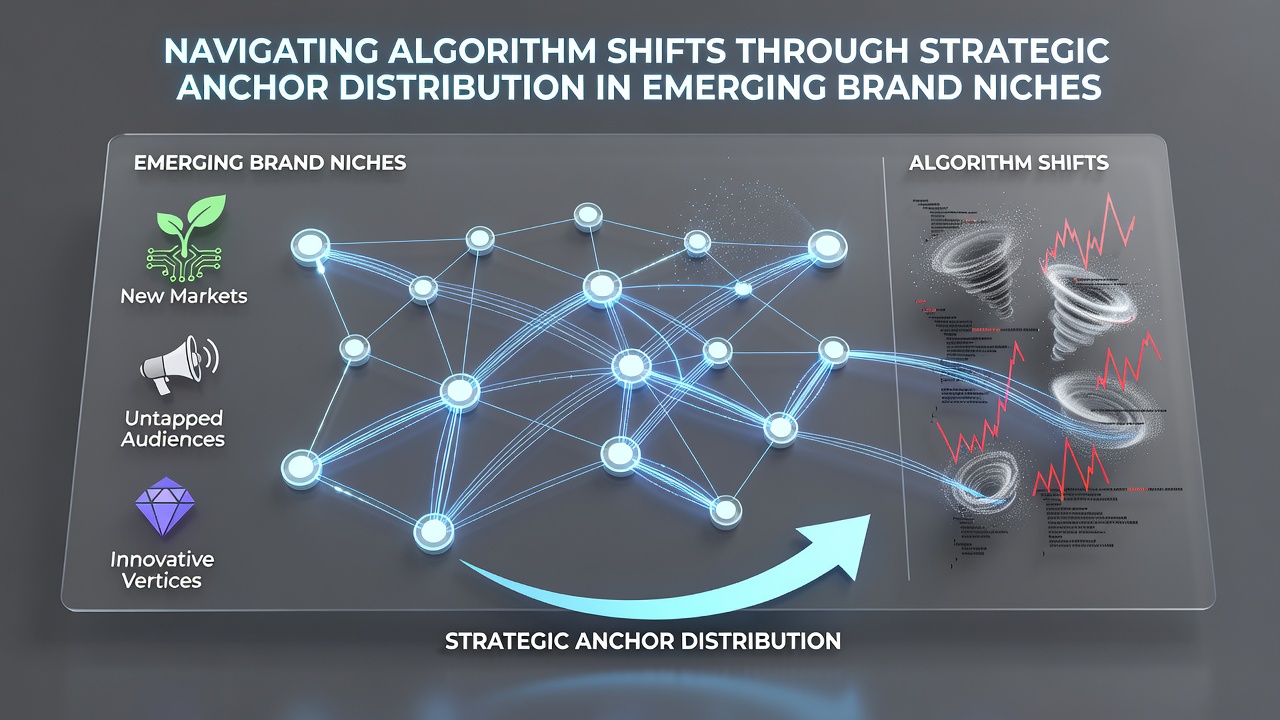
Algorithm updates reshape how search engines evaluate content and links, and emerging brands in specialized niches must adapt their anchor text strategies to maintain visibility. Strategic anchor distribution involves spreading branded, partial match, exact match, and generic anchors across backlink profiles so that no single pattern dominates. This approach reduces risk when ranking signals change, and it supports sustainable growth for new entrants in competitive categories.
Understanding Anchor Distribution Basics
Anchor text serves as a signal that tells search engines what a linked page is about, yet overuse of exact-match phrases triggers scrutiny during updates. Observers note that brands succeed when they blend multiple anchor types in proportions that reflect natural linking patterns observed across the web. Research from academic institutions shows that diversified anchors correlate with steadier performance after major rollouts, because engines interpret balanced profiles as more authentic.
Emerging niches such as sustainable packaging materials or niche fitness equipment present unique challenges, since these categories often lack established authority signals. Brands entering these spaces build link profiles gradually while monitoring anchor ratios to avoid clustering around commercial keywords. Data indicates that early-stage sites benefit from prioritizing branded and naked URL anchors before scaling partial or exact matches.
Impact of Recent Algorithm Changes
Major engines rolled out core updates throughout 2025 that placed greater emphasis on link relevance and user engagement metrics. Brands relying on repetitive anchor patterns experienced volatility, whereas those with distributed anchors recovered faster. In September 2026 further refinements are scheduled that will refine how engines assess topical authority within emerging categories, making balanced anchor strategies even more relevant for niche players.
Case examples illustrate the pattern. One sustainable apparel startup adjusted its anchor mix after an update by increasing generic and branded references while reducing exact commercial phrases, and its organic traffic stabilized within two months. Another study of small e-commerce entrants revealed that sites maintaining anchor diversity across 60 percent branded or partial anchors retained rankings better than those exceeding 40 percent exact matches.
Practical Distribution Frameworks
Effective frameworks start with an audit of existing backlinks to identify overused anchor types, then set target ratios tailored to niche competition levels. Brands typically aim for 50-70 percent branded or naked anchors, 20-30 percent partial matches, and under 10 percent exact commercial phrases, adjusting based on ongoing performance data. This distribution creates resilience because engines see natural variation rather than manufactured optimization.
Implementation requires coordination between content teams and outreach partners. Outreach emails now emphasize value-first content that naturally attracts varied anchors, and monitoring tools track shifts in real time. When engines devalue certain signals, brands with pre-balanced profiles experience smaller fluctuations and regain ground more quickly through continued content expansion.
Monitoring and Adjustment Processes
Continuous monitoring involves tracking anchor ratios monthly alongside ranking and traffic metrics. Tools aggregate backlink data to flag sudden spikes in any single anchor category, prompting immediate corrective outreach. Brands that integrate these checks into regular workflows maintain steadier visibility even when updates target link manipulation patterns.
Geographic and regulatory context also matters. Reports from the European Commission on digital platform practices highlight how smaller entities gain from transparent link-building methods, and similar observations appear in analyses from Australian research bodies focused on e-commerce competition. These sources underscore that diversified anchor usage aligns with broader expectations for fair online practices.
Conclusion
Strategic anchor distribution equips emerging brands to handle algorithm shifts by creating link profiles that engines interpret as organic. Consistent application of varied anchor types, supported by regular audits and data-driven adjustments, allows niche entrants to protect and grow their visibility over time. As engines continue refining evaluation methods, brands that maintain balanced distributions position themselves for sustained performance across evolving search landscapes.