Zoe Braun · 9 October 2026
Engineering Advances in Protective Enclosures for Fragile Cargo Across Various Industries
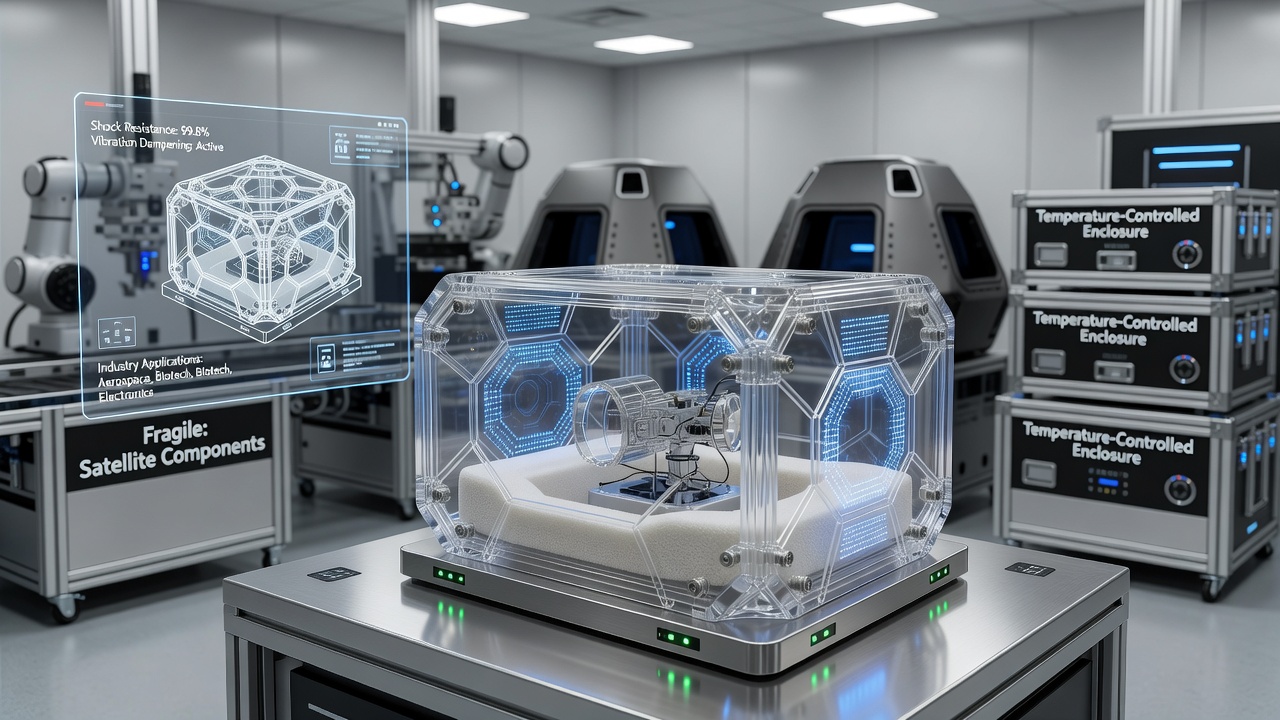
Protective enclosures for fragile cargo have undergone substantial engineering refinements in recent years as sectors such as aerospace, pharmaceuticals, electronics manufacturing, and fine art logistics demand solutions that balance impact resistance, thermal stability, and weight reduction. Researchers at multiple institutions have documented how composite layering techniques now incorporate carbon fiber reinforced polymers alongside traditional metals, which allows enclosures to absorb shocks without adding bulk that raises shipping costs.
Material Innovations Driving Design Shifts
Engineers have shifted focus toward multi-layered barrier systems that integrate aerogels for insulation and viscoelastic foams for vibration damping, and data from transport safety analyses show these combinations reduce damage rates during air and sea transit by measurable margins. One study from a Canadian research consortium tracked shipments of laboratory instruments over eighteen months and found that enclosures using hybrid polymer matrices experienced forty percent fewer internal stress fractures compared with older aluminum-only containers. These developments align with updated guidelines issued by the International Organization for Standardization, which emphasize performance testing under simulated extreme pressure and humidity cycles.
Aerospace and Defense Applications
Aircraft component suppliers now rely on enclosures equipped with embedded sensors that monitor shock events in real time, and reports from the European Union Aviation Safety Agency highlight how such monitoring has improved traceability during component returns from orbit simulation tests. In October 2026 several manufacturers introduced enclosures featuring phase-change materials that maintain internal temperatures within narrow bands even when external conditions fluctuate rapidly during high-altitude flights. Observers note that these systems integrate directly with existing cargo tracking platforms, which reduces the need for separate climate-controlled containers in many mid-range shipments.
Pharmaceutical and Laboratory Transport Requirements
Pharmaceutical logistics providers have adopted vacuum-sealed enclosures that incorporate desiccant cartridges and radiation-shielding liners, and figures from the World Health Organization indicate that validated systems now maintain vaccine potency across transcontinental routes where temperature excursions once caused significant losses. Those who manage clinical trial sample shipments often combine these enclosures with GPS-enabled data loggers, which allows rapid intervention if seals are compromised during customs inspections or transfers at hub facilities. Engineers continue to refine closure mechanisms so that repeated access for inspection does not degrade the protective integrity over multiple use cycles.
Testing Protocols and Regulatory Alignment
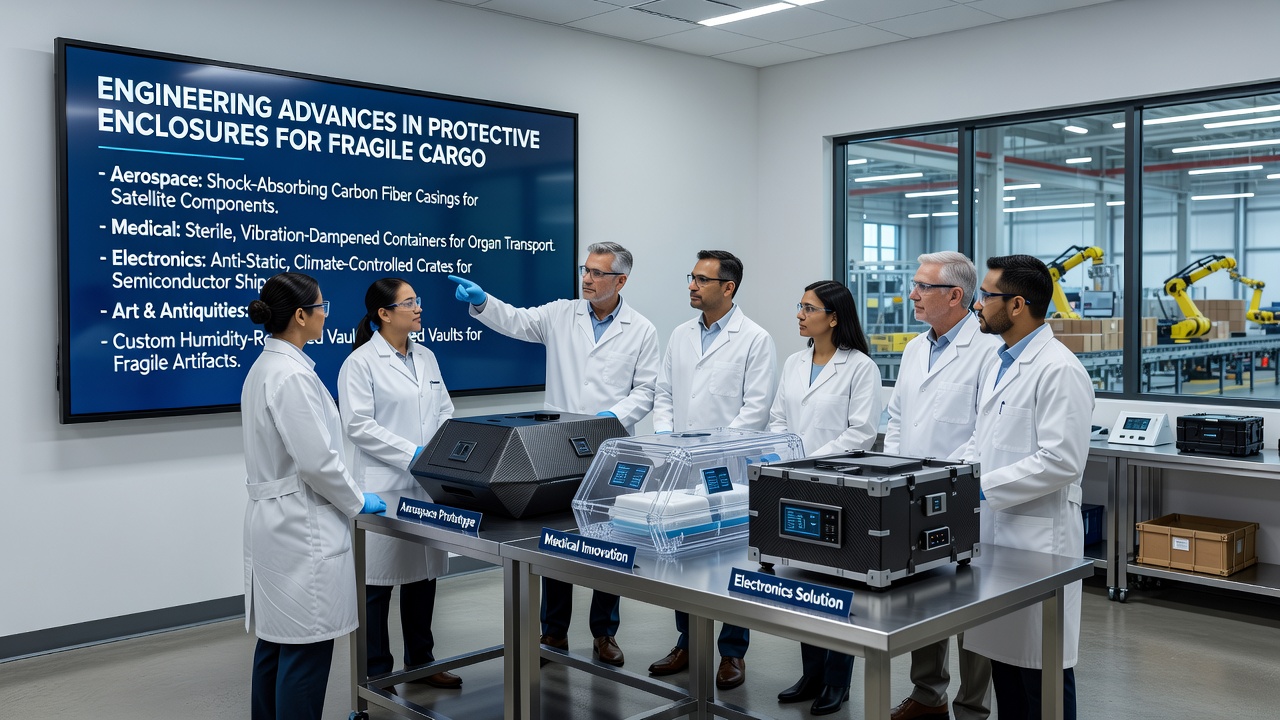
Standardized drop, vibration, and compression tests have grown more rigorous, and laboratories accredited under ISO 17025 now employ high-speed cameras and strain gauges to capture failure points that older visual inspections missed. A joint program between Australian transport authorities and university researchers produced updated drop-test parameters that account for stacked pallet configurations common in containerized ocean freight, and results demonstrated that revised enclosure corner reinforcements lowered breach incidents across sampled electronics shipments. Companies that align designs with these protocols frequently achieve faster customs clearance because regulators recognize the documented performance data.
Electronics and Precision Equipment Handling
Manufacturers of semiconductor fabrication tools and optical instruments have driven demand for enclosures that control electrostatic discharge and particulate contamination, and industry reports from the Semiconductor Equipment and Materials International association document how conductive polymer coatings and filtered vent systems now form standard features in many designs. These enclosures often feature modular internal fixtures that adapt to irregular component shapes without custom fabrication for each order, which shortens lead times while preserving protection levels during ground and air movements.
Integration with Digital Monitoring Systems
Recent engineering work incorporates radio-frequency identification tags and low-power wireless sensors directly into enclosure walls, and analysts at research centers in Singapore have quantified how continuous environmental logging improves root-cause analysis after any transit incident. The approach connects enclosure performance data with broader supply-chain platforms, which enables predictive maintenance schedules for reusable containers rather than reactive replacements after damage occurs. Such integration supports compliance with emerging traceability rules in multiple jurisdictions without requiring separate hardware additions at each checkpoint.
Conclusion
Engineering progress in protective enclosures continues to center on layered material science, sensor integration, and alignment with evolving international test standards, and evidence from cross-industry shipment records shows measurable reductions in cargo loss when updated designs are applied consistently. Organizations that track these developments through regulatory updates and academic partnerships maintain competitive positioning as fragile cargo volumes grow across global trade lanes.